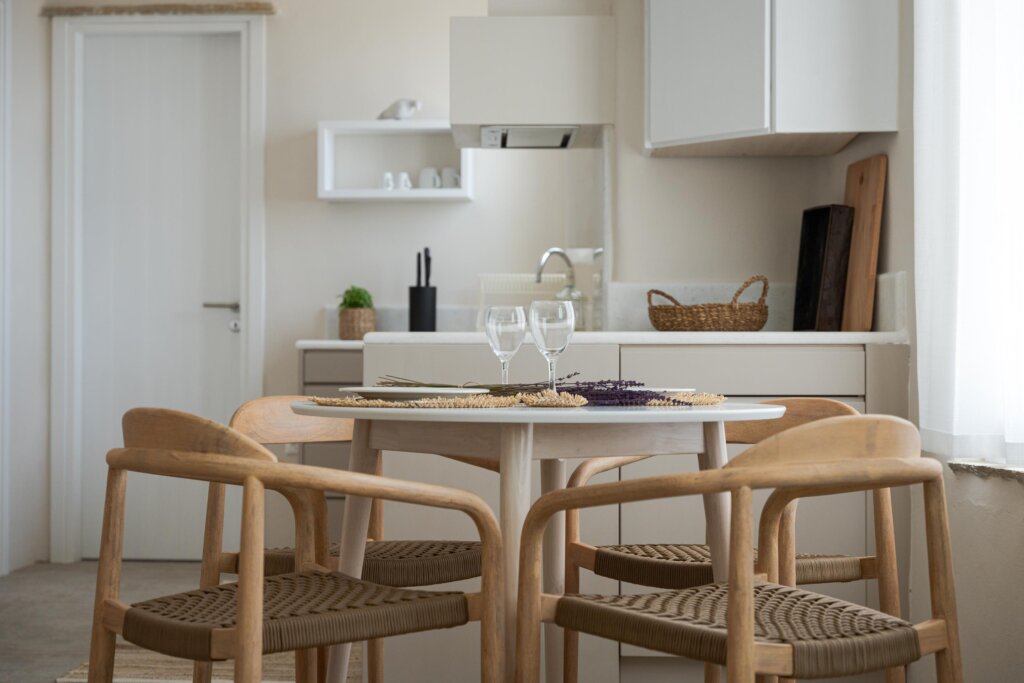

How Short-Term Rentals Work in Greece: What Guests Don’t See
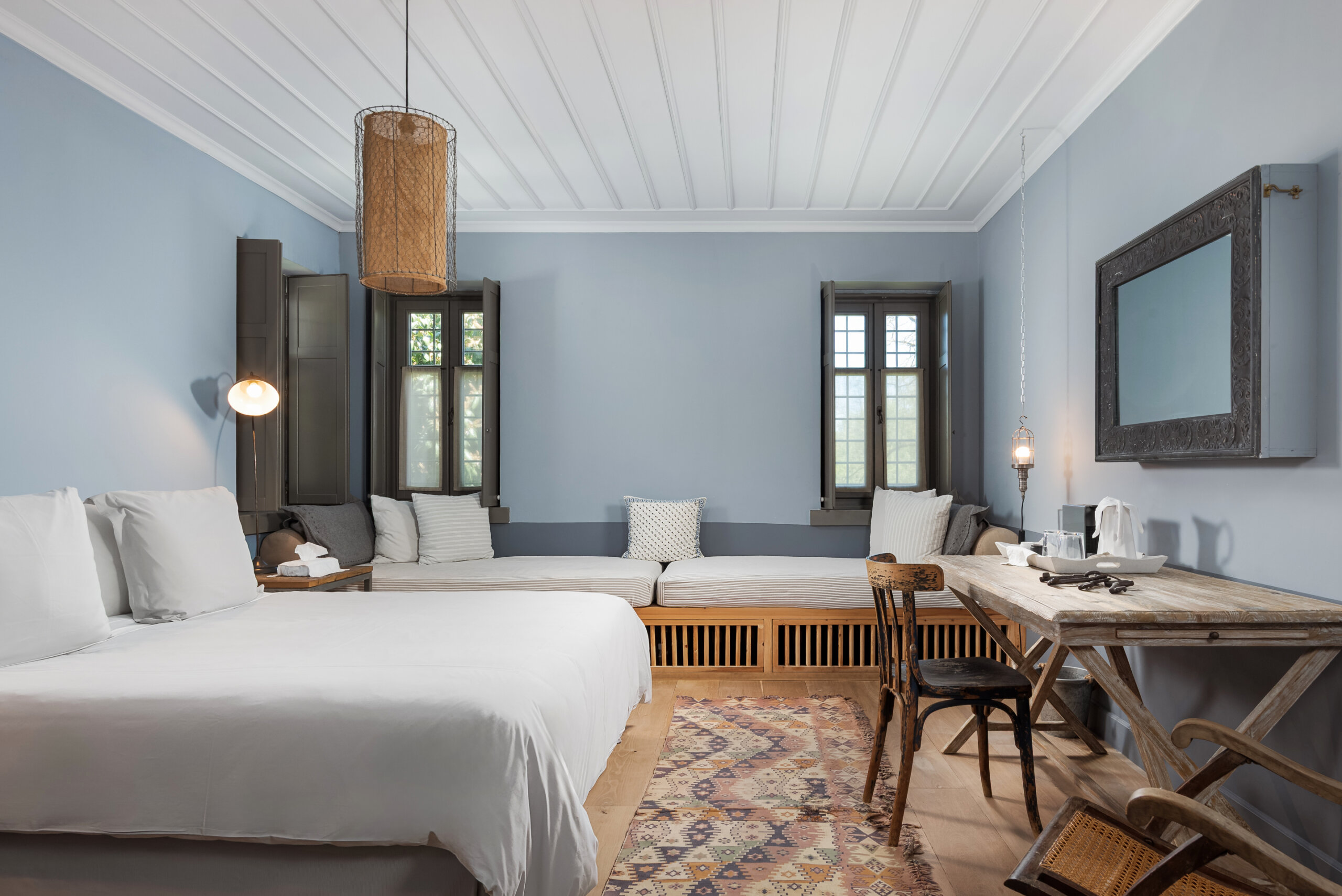
Behind every seamless stay, there is an entire operation
For guests, a short-term rental usually begins with a simple search: destination, dates, number of guests, photos, amenities, and availability. Once the right property is selected, the process feels straightforward: book the stay, receive the details, arrive at the property, and enjoy the trip.
In reality, however, a seamless stay is the result of many moving parts working together behind the scenes. Behind the professional photos, fresh linens, smooth check-in, clear instructions, and positive reviews, there is an entire operational process designed to make the experience feel effortless.
In Greece, this process becomes even more important because demand changes significantly depending on season, destination, and traveler profile. A city apartment in Athens, an island villa, a mountain retreat, and a coastal residence do not operate in exactly the same way. Each property requires a different strategy, different preparation, and a different understanding of guest expectations.
So, what really happens behind the stay that guests experience as simple and easy?
1. Presenting the property is not just about beautiful photos
The first interaction between a guest and a short-term rental almost always happens online. That means the way a property is presented plays a crucial role in shaping expectations.
Professional photos matter, but they are only one part of the equation. The description, list of amenities, location details, house rules, and overall positioning all contribute to how the guest understands the property before booking.
A great property can underperform if it is not presented properly. At the same time, a property that is overpromised can lead to disappointment, even if the actual stay is objectively good.
The goal is not simply to make the property look attractive. It is to communicate the right experience to the right traveler. A family, a couple, a digital nomad, and a group of friends may all look for different things. Professional management helps ensure that the listing speaks clearly to the guests who are most likely to enjoy it.
2. Pricing is constantly changing
One of the most important things guests don’t usually see is dynamic pricing. The price of a short-term rental is not fixed. It changes based on seasonality, demand, day of the week, local events, booking window, competition, and availability in the area.
In Greece, seasonality plays a major role. A property in Athens may perform throughout the year, while an island property may be highly seasonal. Mountain destinations, coastal escapes, and city apartments all follow different demand patterns.
For guests, this appears as a final nightly rate on a booking platform. Behind that number, however, there is ongoing market monitoring and strategic adjustment.
Good pricing is not only about maximizing revenue. It also supports guest satisfaction. When the price reflects the quality, location, season, and overall experience, guests are more likely to feel that the stay offered fair value.
3. The guest experience begins before arrival
A stay does not begin when the guest opens the door. It begins much earlier — from the moment the booking is confirmed.
Pre-arrival communication is one of the most important parts of the guest journey. Clear instructions, check-in details, directions, parking information, and guidance about the local area all help reduce uncertainty.
This is especially important for international travelers visiting Greece for the first time. Arriving in a new destination can be stressful if the information is unclear or incomplete. A smooth pre-arrival process creates confidence and sets the tone for the entire stay.
Small details matter. Knowing how to access the property, what to expect upon arrival, whom to contact, and how everything works inside the home can transform the first impression.
4. Cleaning and turnover are among the most critical stages
For guests, cleanliness is expected. For operators, it is one of the most demanding parts of the entire process.
Short-term rentals often have frequent guest turnover. A morning check-out may be followed by a new check-in only a few hours later. During that time, the property must be cleaned, inspected, restocked, and prepared for the next guest.
The challenge is not simply cleaning the property once. The challenge is maintaining the same standard every time, regardless of occupancy, season, or guest profile.
This is where structured operations make a major difference. Professional teams rely on cleaning protocols, checklists, linen management, and quality control to ensure consistency.
When done well, guests don’t notice the process. They simply walk into a space that feels fresh, cared for, and ready.
5. Guest support during the stay is part of hospitality
Even with the best preparation, questions and unexpected issues can arise. A guest may need help with an appliance, ask for local recommendations, require clarification about check-out, or report a minor technical issue.
The speed and quality of the response can shape the entire experience. It is not enough to solve the issue; it must be handled in a way that makes the guest feel supported.
In short-term rentals, hospitality is not limited to the physical property. It also includes availability, responsiveness, tone of communication, and problem-solving.
This is especially important in destinations where guests may not speak the language or be familiar with local habits. Clear and helpful support can make the difference between a stressful moment and a positive memory.
6. Maintenance should be invisible — but always present
A well-managed property does not wait for problems to happen. Preventive maintenance is a key part of short-term rental operations.
Air conditioning, plumbing, appliances, Wi-Fi, lighting, doors, outdoor areas, and safety features all need regular attention. For guests, these things are expected to work. For operators, making sure they work requires ongoing care.
The best maintenance is the kind the guest never notices. They don’t see the inspections, repairs, or coordination behind the scenes. They only experience the result: a property that functions smoothly throughout their stay.
In a competitive travel market, this consistency is essential. A single technical issue may not seem significant, but if it affects comfort, sleep, temperature, or communication, it can strongly impact the guest experience.
7. Reviews shape future performance
After check-out, the stay is not truly over. Reviews play a critical role in the success of a short-term rental.
They influence future guests, platform visibility, booking confidence, and long-term performance. A strong review is rarely the result of one single factor. It is usually the result of a complete experience that met or exceeded expectations.
Accurate presentation, cleanliness, easy arrival, good communication, comfort, and reliability all contribute to how guests evaluate their stay.
Post-stay management also matters. Understanding feedback, identifying recurring issues, and making improvements help the property evolve and perform better over time.
When a short-term rental works well, guests don’t need to think about the process behind it. The arrival feels easy, the space feels clean, the instructions are clear, and the stay unfolds naturally.
That is exactly the point. A seamless experience feels simple because it is supported by structure, planning, and professional execution.
At Bill and John, every stay is treated as a complete hospitality experience — not just a booking. From property presentation and pricing to guest support, cleaning, maintenance, and post-stay feedback, every detail contributes to making each trip comfortable, reliable, and enjoyable.