
Is Your Property Summer-Ready? What Guests Expect from a Great Summer Stay
The summer guest experience starts before arrival
Summer is the most demanding season for hospitality businesses in Greece. Whether you manage a hotel, villa, serviced apartment, rental rooms, or a holiday residence, guest expectations rise significantly during this period.
Travelers are not simply looking for a place to sleep. They are looking for comfort, consistency, convenience, and an experience that matches the promise they saw online before booking.
Preparing your property for the summer season is not only about availability or basic cleaning. It is about the full guest journey: from the way the property is presented online and the communication before arrival, to the functionality of the space, the feeling of care, and the support guests receive during their stay.
In a highly competitive market, the difference between an average stay and a memorable one often lies in the details. And those details are what lead to better reviews, repeat guests, and stronger performance for the property.
1. Your online presence must set the right expectations
The guest’s first impression is not created when they arrive at the property. It starts online.
Photos, descriptions, amenities, location details, and house rules shape expectations long before check-in. For property owners and accommodation managers, this means that the listing or website presentation must be both attractive and accurate.
High-quality photos are essential, but they should not create a misleading image. The description should clearly explain what the property offers, what makes the location convenient or special, and which type of guest the accommodation is best suited for.
A well-presented property attracts the right audience. This is important because the right expectations lead to greater satisfaction. On the other hand, when there is a gap between what guests expect and what they actually experience, even a good property can receive weaker reviews.
The goal is not only to generate a booking. The goal is to attract guests who will genuinely appreciate the property for what it offers.
2. Summer comfort is functional, not just aesthetic
A summer property should look beautiful, but above all, it must work well.
During the summer months, guests pay close attention to practical details that directly affect their daily comfort. Air conditioning, shading, sleep quality, soundproofing, access to outdoor areas, and the smooth operation of basic amenities can define the entire stay.
In summer, a malfunctioning air conditioner or unstable Wi-Fi is not a small issue. It can quickly become a major source of frustration and negatively affect the guest’s overall impression.
For owners and managers, summer preparation should include preventive checks before the busiest period begins. Air conditioning units, electrical appliances, plumbing, lighting, doors, windows, mosquito screens, outdoor areas, and internet connection should all be inspected in advance.
Comfort is often invisible when everything works properly. But guests notice it immediately when something is missing.
3. Cleanliness must be consistent at every arrival
Cleanliness is one of the most important factors in guest satisfaction across every type of accommodation. It is not only about how the space looks. It is also about the feeling of safety, care, and professionalism.
In summer, the challenge becomes even greater. Higher occupancy, frequent arrivals and departures, limited preparation time, and warmer temperatures all increase operational pressure.
That is why cleanliness cannot rely only on good intentions or general experience. It requires structure.
Checklists, clear responsibilities, pre-arrival inspections, proper linen management, and fast handling of damages or wear-and-tear all help ensure consistency. Guests do not see how difficult it can be to prepare a property in just a few hours. They simply expect to walk into a spotless space.
This consistency is one of the clearest differences between casually managed accommodation and professionally organized hospitality.
4. Access and location details must be clearly explained
Many properties in Greece are located in areas with unique geography: islands, seaside villages, mountain destinations, historic centers, or locations with limited parking.
This is not necessarily a disadvantage. In many cases, it is part of the destination’s charm. But it must be communicated clearly.
Guests need practical information about access, parking, distances from key points of interest, proximity to beaches or shops, and any specific characteristics of the area.
For example, if a property has a beautiful view but requires a car, this should be clear. If it is centrally located but the surrounding area can be lively, this should also be explained in the right way.
Honest communication does not weaken the booking potential. It protects the experience. A well-informed guest is more likely to appreciate the property for what it truly offers.
5. Communication before and during the stay makes a difference
Hospitality is not only about the physical space. It is also about how supported guests feel throughout their journey.
Before arrival, instructions should be clear, timely, and practical. How does check-in work? Where exactly is the property located? Are there access instructions? Who can guests contact if they have a question? What should they know about the area?
During the stay, responsiveness becomes even more important. A small issue can still lead to a positive experience if it is handled quickly and professionally. On the other hand, slow or unclear communication can turn a minor inconvenience into a serious complaint.
For hotels, serviced apartments, villas, and independent accommodation providers, communication is no longer an “extra” service. It is a core part of the guest experience.
6. Outdoor spaces are a major summer advantage
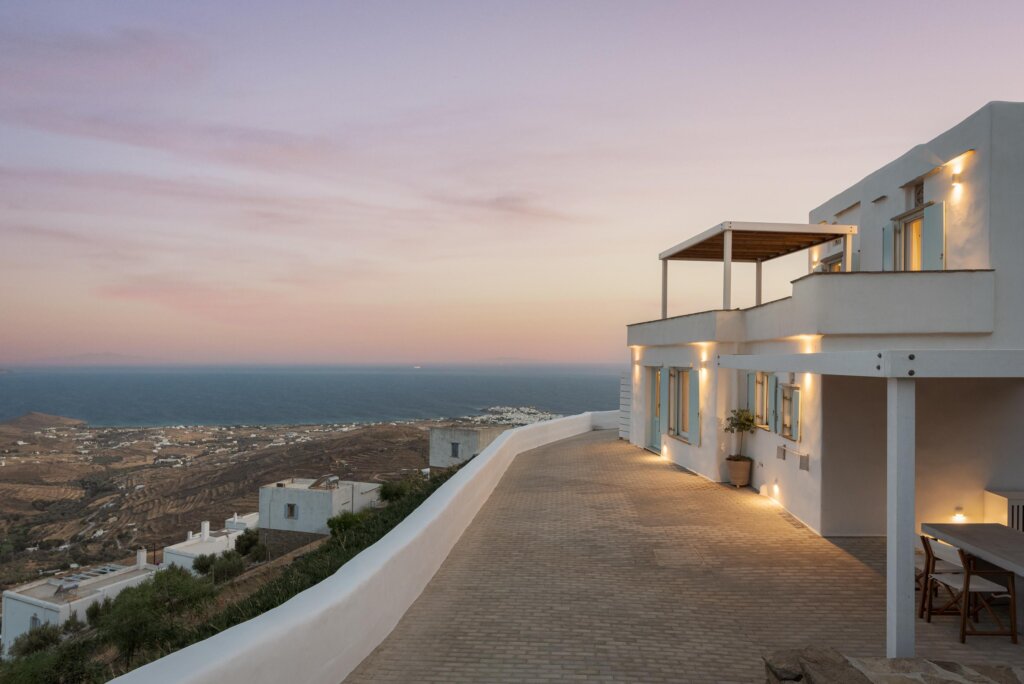
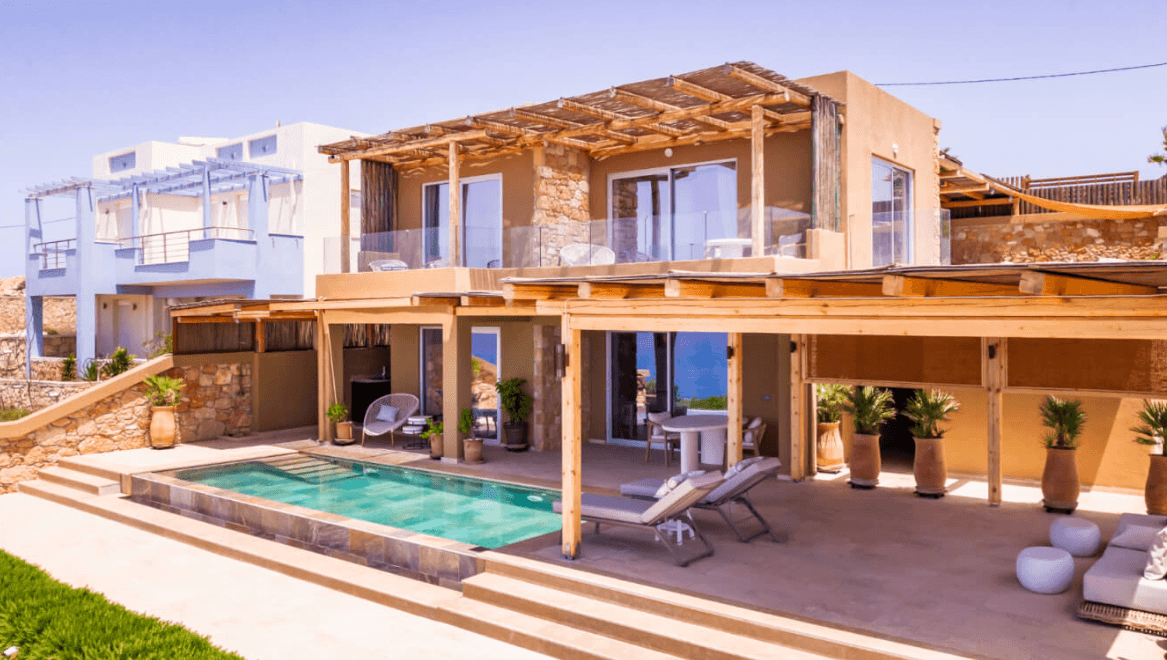
During summer, guests spend more time outside their rooms or apartments. Balconies, terraces, gardens, patios, pools, and outdoor seating areas become much more important.
Even a small outdoor space can significantly improve the guest experience, as long as it is clean, functional, and properly presented.
Comfortable seating, shade, lighting, plants, and simple practical touches can make an outdoor area more inviting and useful. In summer destinations, these spaces often influence the booking decision more than owners realize.
For accommodation managers, outdoor areas should not be treated as secondary. They are often part of the emotional value of the stay — the morning coffee, the quiet evening, the family meal, the moment of relaxation after a day at the beach.
When prepared properly, outdoor spaces can become one of the strongest selling points of a property.
7. Local experience adds value to the stay
Modern travelers are not only looking for a clean and comfortable property. They also want to feel connected to the destination.
They want to know where to eat, which beach to visit, what time to avoid crowds, where to find authentic experiences, and how to make the most of their time.
Accommodation providers that offer useful local information create additional value. This can be done through a simple guide, a digital guestbook, recommendations from the team, or personalized communication before arrival.
It does not need to be complicated. It needs to be useful, honest, and relevant.
Guests appreciate practical advice that helps them experience the destination better. In many cases, these small touches make the stay feel more personal and memorable.
8. Consistency builds reviews and repeat bookings
In the end, what makes a property successful is not one impressive feature. It is the overall consistency of the experience.
If the online presentation is accurate, arrival is easy, the space is clean, amenities work properly, communication is responsive, and the stay feels comfortable, guests feel that their choice was justified.
This is reflected in reviews, recommendations, and the possibility of repeat bookings.
For every owner or accommodation manager, consistency is one of the strongest competitive advantages. One good stay is not enough. The goal is to deliver a reliable level of service to every guest, at every arrival, throughout the season.
This is especially important during summer, when operational pressure increases and expectations are higher.
Conclusion: A summer-ready property offers more than availability
Preparing a property for summer is not only an operational task. It is an experience design process.
Guests expect cleanliness, comfort, clarity, support, and a stay that matches what they saw before booking. For property owners and hospitality managers, this means that success does not depend only on location or price. It depends on how well the entire experience has been planned and delivered.
At Bill and John, hospitality is treated as a complete process — from property presentation and preparation to guest support and stay management.
Because a truly successful summer property does not simply offer accommodation. It offers trust, comfort, and a reason for guests to come back.